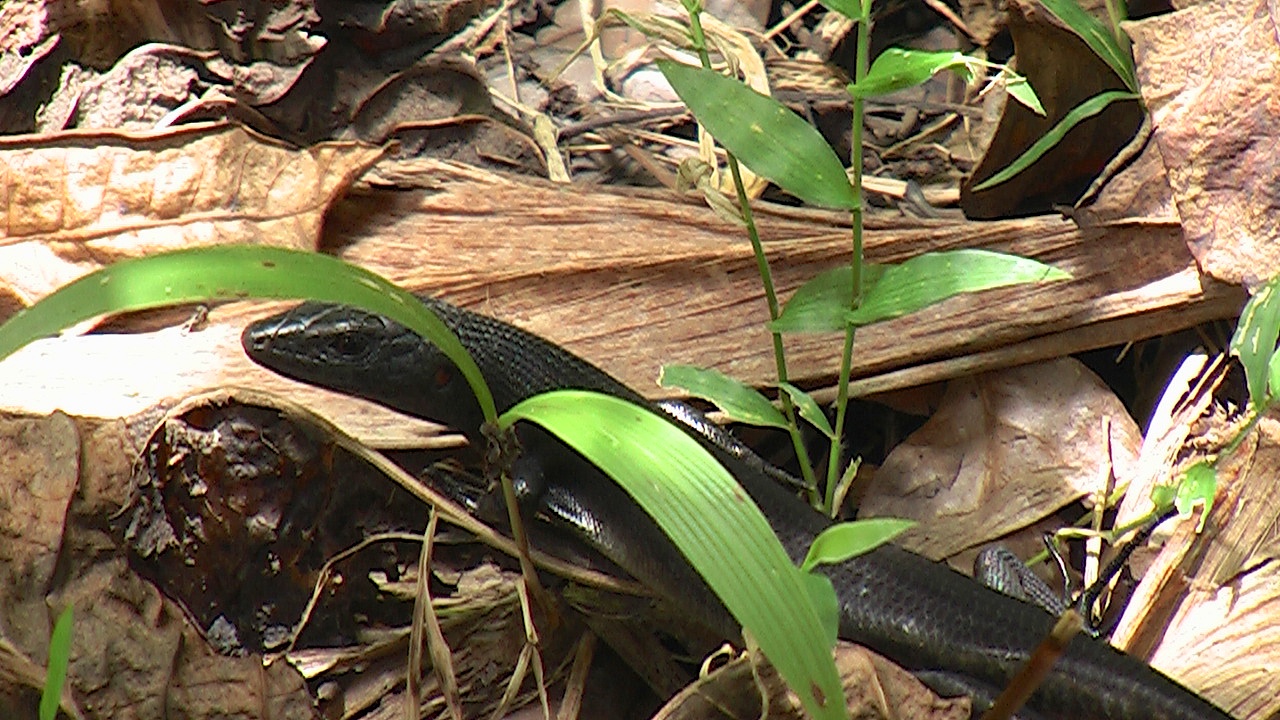
The casual visitor to Hong Kong has no idea of the extensive areas of countryside still present in this conurbation, nor, indeed of the biodiversity that has been lost or of that which remains.
 |
| A rescued Leopard Cat in the Department of Zoology, University of Hong Kong, 1966 |
 |
| Another Leopard Cat, 1967 |
We always knew the Leopard Cat as Felis bengalensis. More recently, the generic name Prionailurus (history in reference shown below) has been used, including by IUCN. However, I see that some authors have reverted to Felis.
Non-carnivorous mammals present in and around the main study area were Barking Deer (Muntiacus reevesi), Chinese Porcupine (Hystrix hodgesoni) and Chinese Pangolin (Manis pentadactyla), all in small numbers. The Bandicoot Rat (Bandicota indica nemorivaga) and Buff-breasted (Rattus rattus flavipectus), occasionally strayed into the main study area.
 |
| The pin shows the location of the main study site described in Chung Ka Bun's PhD Thesis: a site where Chinese Pangolin's were present in the 1960s |
Sadly, it really looks as if the pangolin no longer occurs on Hong Kong island.
**The photograph may not have been taken in Hong Kong but in another Saikung in Guangdong province.
The camera-trapping paper:
Pei, K JC, Lai, Y-C, Corlett, RT & Suen, K-Y. 2010. The larger mammal fauna of Hong Kong: Species survival in a highly degraded landscape. Zoological Studies 49, 253-264.
Chung, K-B. An ecological study of two species of hillside rats in Hong Kong. PhD Thesis, University of Hong Kong.
The genus Prionailurus:
http://bit.ly/dh8eow
Hong Kong Bird Watching Society webforum photograph of Yellow-bellied Weasel:
http://bit.ly/YOVia6
http://bit.ly/dh8eow
Hong Kong Bird Watching Society webforum photograph of Yellow-bellied Weasel:
http://bit.ly/YOVia6